

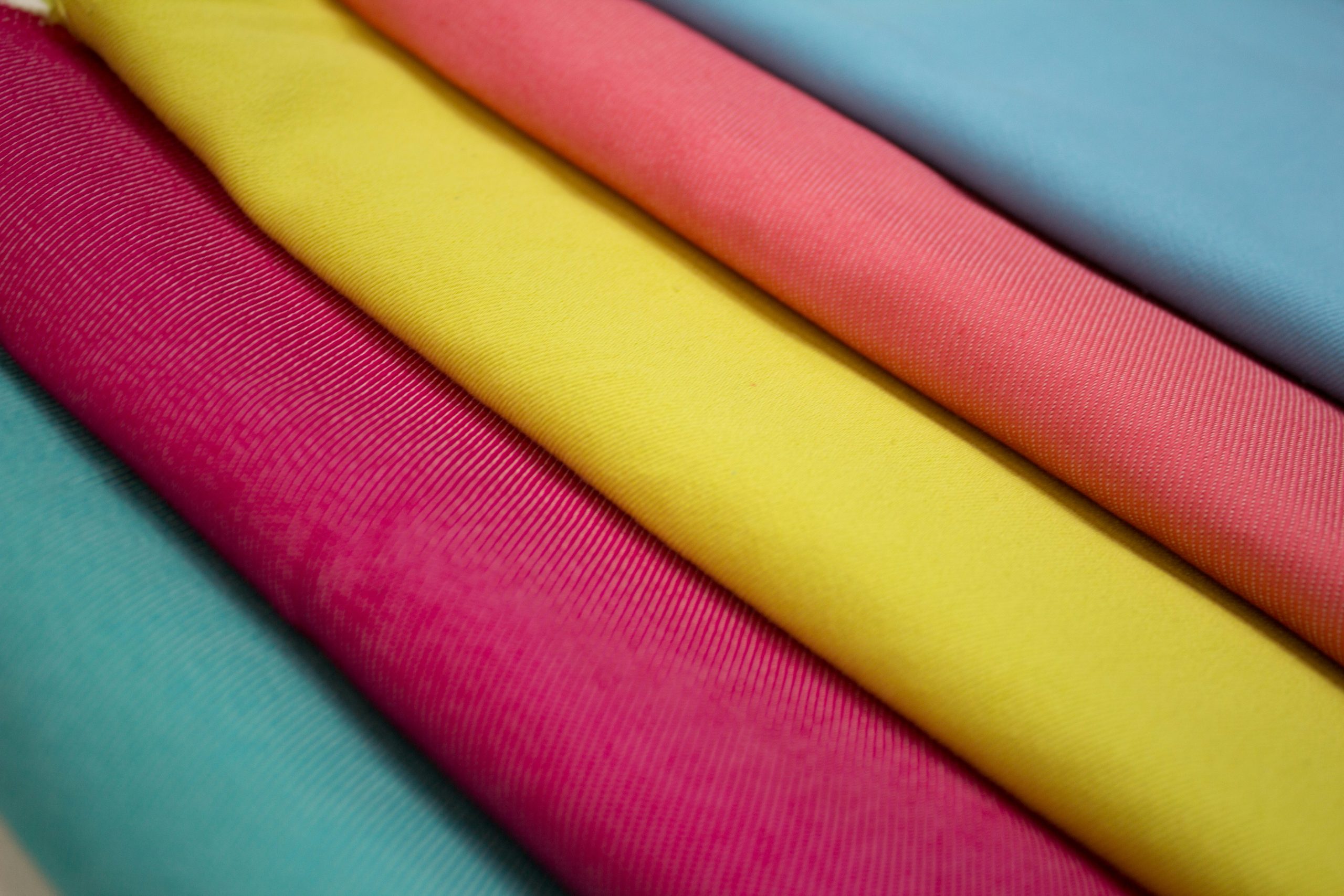
Knitted fabrics are everywhere – the comfy Knitwear that hug your body, the stretchy socks that keep your feet warm, the soft hats that shield you from the wind. But have you ever wondered how these everyday essentials come to life? Unlike woven fabrics made from intersecting threads, knitted fabrics boast a unique construction method that brings flexibility, comfort, and endless design possibilities. Today, we delve into the fascinating world of knitted fabric production, exploring the journey from raw materials to the finished garments.
The Building Blocks: Yarn and Needles
The basis of any knitted material is yarn. Made from natural fibers like cotton, wool, or artificial fibers like polyester, yarn is a protracted, non-stop strand it really is strong and bendy. The thickness and texture of the yarn substantially impact the final material. As an instance, thicker yarns create chunkier knits, while finer yarns bring about delicate, light-weight fabric.
Next comes the magic wand – the knitting needle. These needles, usually made of metal or plastic, come in various sizes, measured in “gauge.” A higher gauge needle has more needles per inch, creating a tighter knit with a smoother finish. Conversely, a lower gauge needle creates a looser knit with a more textured look.
The Knitting Process: Looping Yarns into Fabric
The essence of knitting lies in the manipulation of loops. Here’s a simplified breakdown:
Casting On: The first row of loops is created on the needle, forming the base for the fabric.
Knitting or Purling Stitches: The yarn is manipulated to create new loops, either through the front (knit stitch) or back (purl stitch) of the existing loops on the needle.
Building Rows: Each row adds a new layer of interlocking loops, gradually extending the fabric.
Binding Off: The final row secures the loops to prevent unraveling.
The combination of knit and purl stitches, along with variations in needle size and yarn type, creates a vast array of knit textures and patterns. From the basic stockinette stitch to intricate cables and colorwork, the possibilities are endless.
From Hand to Machine: The Evolution of Knitted Fabric Production
While hand knitting with needles is a cherished craft, commercial production relies on high-speed knitting machines. These machines can be flat or circular, each offering distinct advantages:
Flat Knitting Machines: Ideal for creating shaped pieces like sweaters and shirts. They use multiple needles that move back and forth, knitting separate pieces that are later sewn together.
Circular Knitting Machines: Produce continuous tubes of fabric, perfect for socks, hats, and T-shirts. These machines have multiple sets of needles arranged in a circle, efficiently interlooping yarns to form a seamless tube.
Modern knitting machines are marvels of engineering. They can be electronically controlled, allowing for complex stitch patterns and intricate designs. Additionally, computerized knitting machines can handle multiple yarns simultaneously, creating colorful and textured fabrics.
Beyond the Basics: Finishing Touches
Once knitted, the fabric undergoes various finishing processes to enhance its properties and appearance:
Scouring and Washing: Removes impurities and finishing agents used during knitting.
Drying and Setting: Stabilizes the fabric dimensions and prevents shrinkage.
Dyeing: Adds color to the fabric using dyes or pigments.
Shearing: Removes excess fibers from the fabric surface creating a smoother appearance.
Brushing or Napping: Raises the surface fibers, creating a soft, fuzzy texture like fleece.
These finishing processes transform the raw knitted fabric into the final product we recognize, ready to be transformed into cozy garments, stylish accessories, and comfortable homeware.
Knitted Fabric Production: A World of Advantages
There’s a reason knitted fabrics are so popular. Here are some of their key benefits:
Comfort and Flexibility: The interlocking loops allow the fabric to stretch and conform to the body, making it ideal for garments.
Breathability: Knitted fabrics often have good air permeability, keeping you cool and comfortable.
Drape and Versatility: Depending on the yarn and stitch pattern, knitted fabrics can drape beautifully or create structured garments.
Design Potential: The vast array of stitch patterns, yarn types, and colors allows for endless design possibilities.
Durability: When well-made, knitted fabrics can be surprisingly strong and long-lasting.
Knitted fabric production has evolved from using basic yarn and needles to utilizing advanced modern machinery, making it an intriguing journey. Whenever you don a warm sweater or a comfortable T-shirt, pause for a moment to acknowledge the complex process involved in bringing these garments to life. It truly showcases human creativity and our capability to turn ordinary materials into something both aesthetically pleasing and practical.
You may like this: Types of Knitted Fabrics