

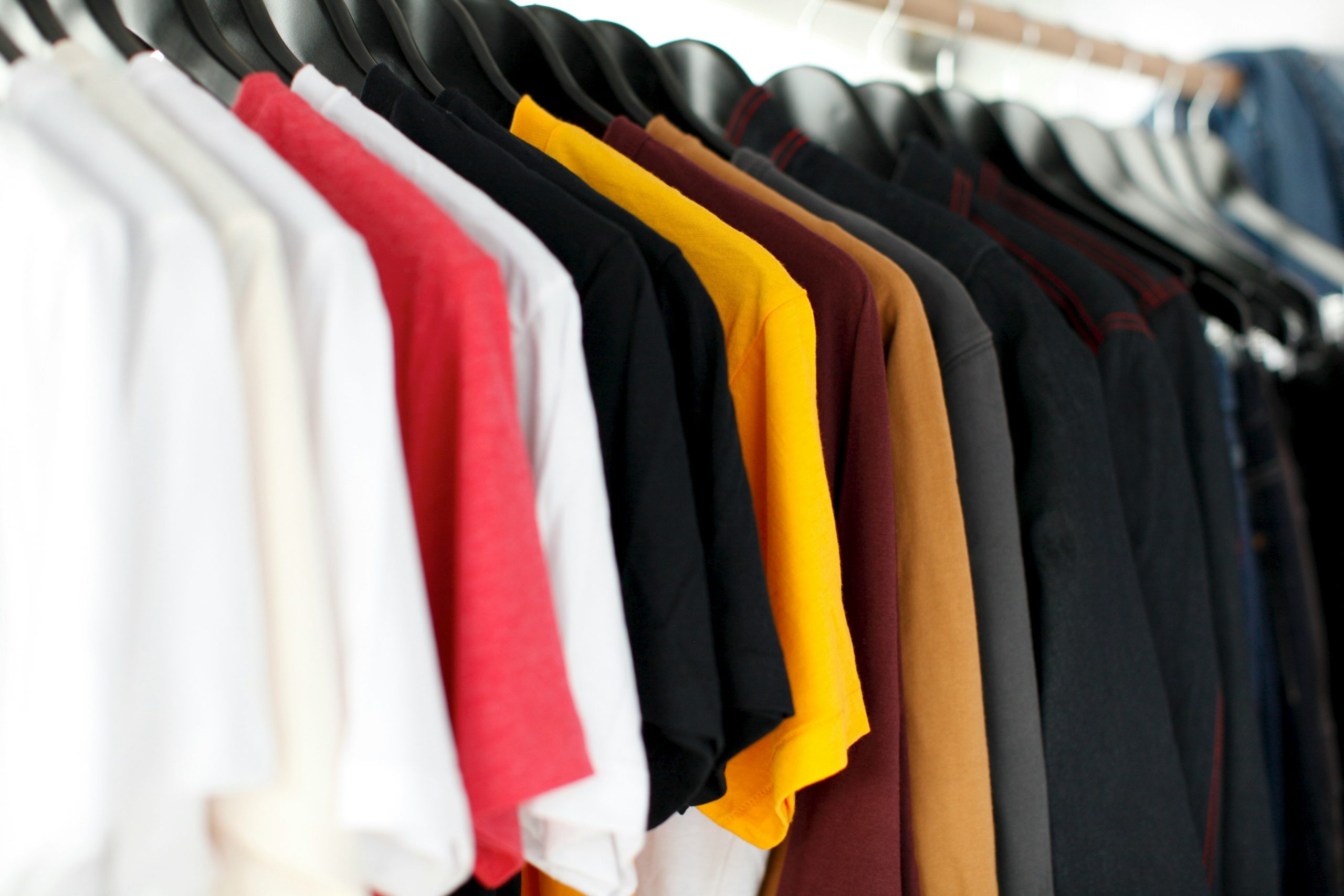
The world of textiles is vast and fascinating, with knit fabrics holding a special place for their comfort, versatility, and endless creative possibilities. Unlike woven fabrics, which use a crisscross technique with vertical and horizontal threads, knits are formed by looping yarns together, creating a flexible and stretchy material. But within the realm of knits, there’s a whole spectrum of textures, weights, and appearances to discover. Let’s delve into the captivating world of knit fabrics, exploring some of the most common types and their ideal uses.
The Knitting Fundamentals: Weft vs. Warp
Before we explore specific fabrics, understanding the two main knitting methods is key. Weft knitting, the more prevalent method, involves a single yarn being interlocked horizontally, row by row. This creates a single line of loops, forming the foundation for many popular knits. Warp knitting, on the other hand, utilizes multiple yarns simultaneously, looped vertically on a specialized machine. This technique produces a more stable and structured fabric.
Jersey Knit: The Everyday Champion
Jersey knit, also known as single knit, is a true wardrobe hero. This lightweight to medium-weight fabric is smooth on one side with visible loops on the other. Imagine your favorite t-shirt – that’s the classic jersey knit in action. Its comfortable drape and moderate stretch make it ideal for creating casual garments like tees, dresses, skirts, and loungewear. Jersey comes in a variety of fiber types, from cotton for breathability to wool for warmth.
Pique Knit: A Classic Fabric
Pique knit is a type of weft knit fabric characterized by its distinctive raised, honeycomb-like pattern. This pattern gives the fabric a unique texture and a slightly more structured feel compared to other knit fabrics. Pique knit fabrics offer a unique combination of style, comfort, and durability. Their raised texture, breathability, and structure make them a popular choice for a variety of garments, especially polo shirts and hats.
Rib Knit: The King of Stretch
Recognizable by its vertical ridges, rib knit boasts exceptional elasticity. This is achieved by alternating knit and purl stitches, creating a fabric that hugs the body comfortably. Rib knits are perfect for cuffs, necklines, waistbands, and even entire garments like turtlenecks and fitted dresses. They also come in various widths of ribbing, allowing for customization depending on the desired level of stretch and structure.
Interlock Knit: The Refined Choice
Think of interlock knit as the sophisticated cousin of rib knit. It utilizes two sets of needles and yarns, creating a smooth and stable fabric with a clean appearance on both sides. While offering good stretch, interlock drapes beautifully, making it perfect for dresses, activewear, and garments that require a polished look.
Double Knit: The Powerhouse of Stability
Double knits are formed by interlocking two sets of loops, resulting in a thick and sturdy fabric with minimal drape. This characteristic makes it ideal for structured garments like jackets, cardigans, and sweater bodies. Double knits come in various forms, including rib knit variations and even cable knits, offering a range of textures and styles.
French Terry: The Comfort King
French terry is a unique knit with a smooth, flat face and a soft loopback surface on the reverse. This creates a fabric that’s incredibly comfortable against the skin, making it a popular choice for sweatshirts, sweatpants, and loungewear.
Fleece: The Cozy Champion
Fleece is another favorite for its warmth and softness. It’s essentially a double knit with a heavily brushed surface, creating a thick layer of air that traps heat. Perfect for cozy sweatshirts, jackets, hoodies and winter accessories, fleece comes in various weights and textures, offering options for different levels of warmth.
Mesh Knit: The Breathable Choice
Mesh knit features a loose, open weave that allows for airflow and ventilation. This makes it ideal for breathable base layers, sportswear, and even linings for jackets. Mesh comes in various hole sizes and patterns, allowing for customization depending on the desired level of breathability.
Selecting the Right Knit Fabric
Choosing the perfect knit fabric for your project depends on several factors. Consider the weight and drape of the fabric – lightweight jerseys for flowy dresses, medium-weight interlock for structured tops, and heavyweight double knits for jackets. Think about the desired level of stretch and breathability, and don’t forget about the look and texture you want to achieve.
Knit Fabrics: A World of Creativity
Knit fabrics offer endless possibilities for creative expression. From playful prints and bold colors on jerseys to intricate cable patterns on double knits, the options are vast. Explore different fiber types like cotton, wool, and synthetics for their unique properties. With a little knowledge and experimentation, you can unlock the world of knit fabrics and create garments that are both comfortable and stylish.
So, the next time you browse through a fabric store or admire a cozy knitwear, remember the fascinating types of knitted fabrics behind it. With their versatility, comfort, and endless creative potential, knit fabrics are a true treasure trove for anyone passionate about textiles and fashion. Happy sewing!
You may like this: Knitted Fabric Production